

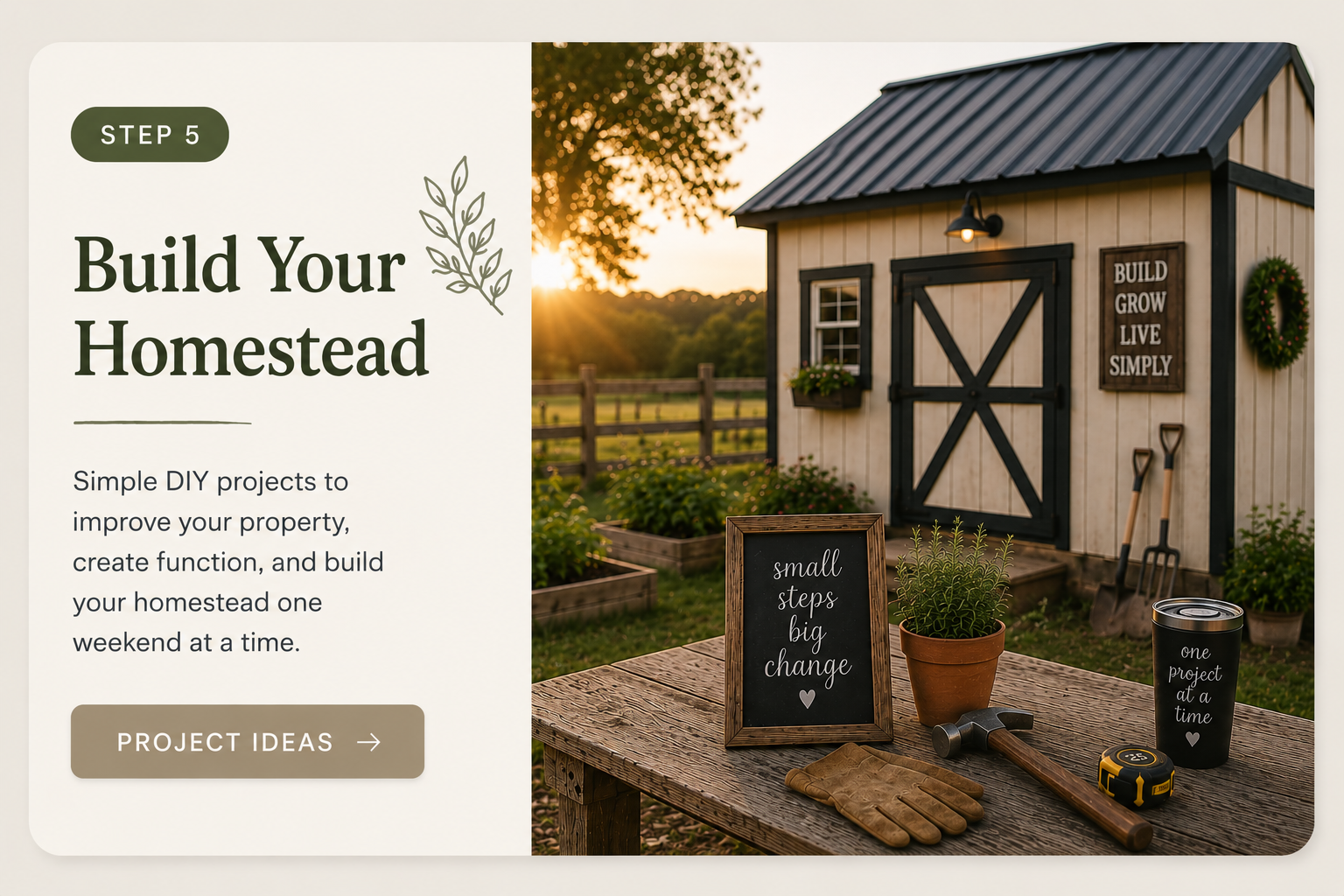
Every homestead starts with a single project. Browse our favorite DIY builds, practical ideas, and budget-friendly plans to help you create a place your family will love for years to come.
Build Your Beginner Homestead


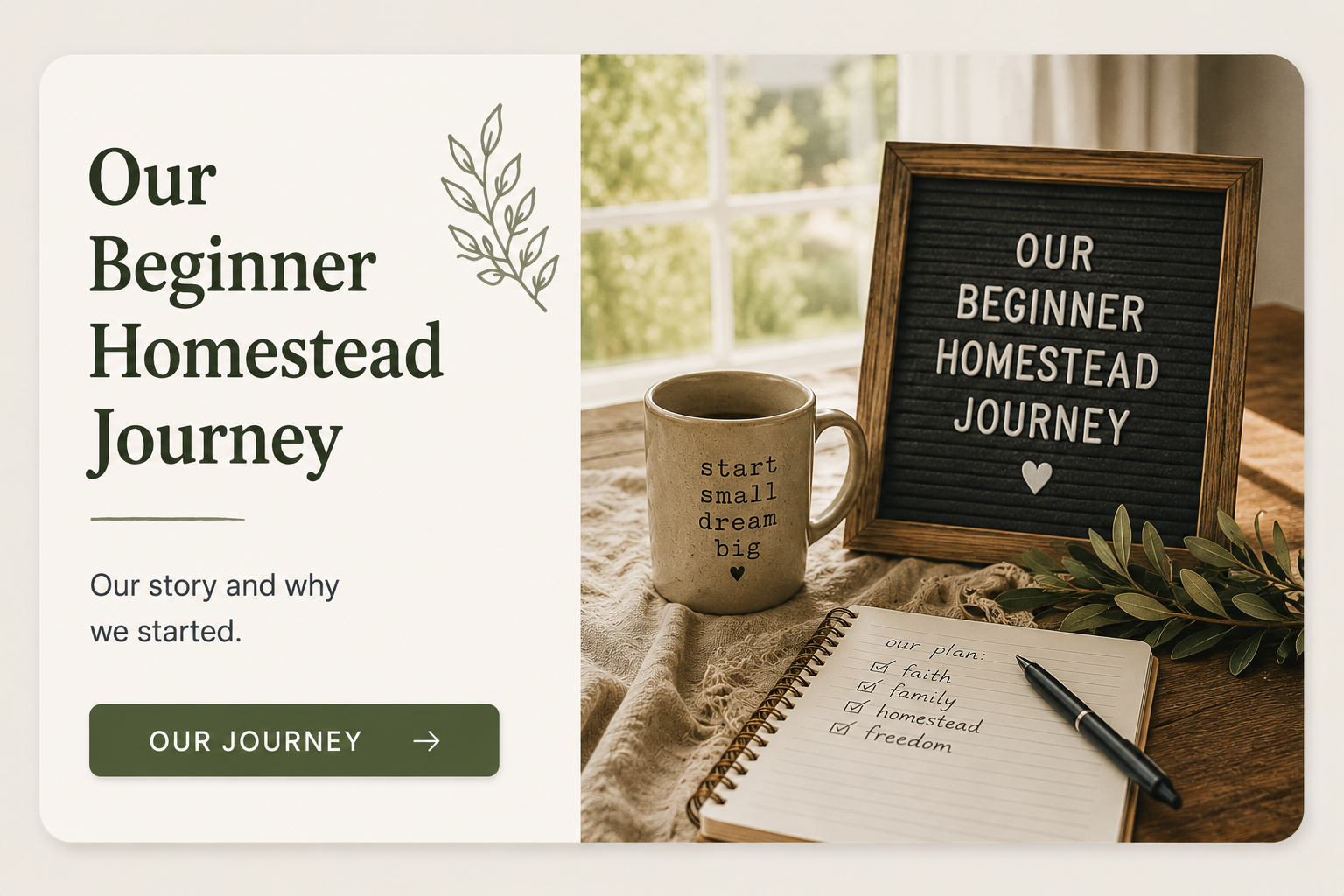
Every experienced homesteader started as a beginner. Explore practical guides, honest lessons, and simple how-to articles as we document our family's journey toward building Wild Moon Acres—one project, one season, and one step at a time.
Learn the Basics of Homesteading


Every product we recommend is something we'd use ourselves as we build Wild Moon Acres. No fluff—just beginner-friendly tools, supplies, and favorites to help you get started.
Our Favorite Beginner Supplies


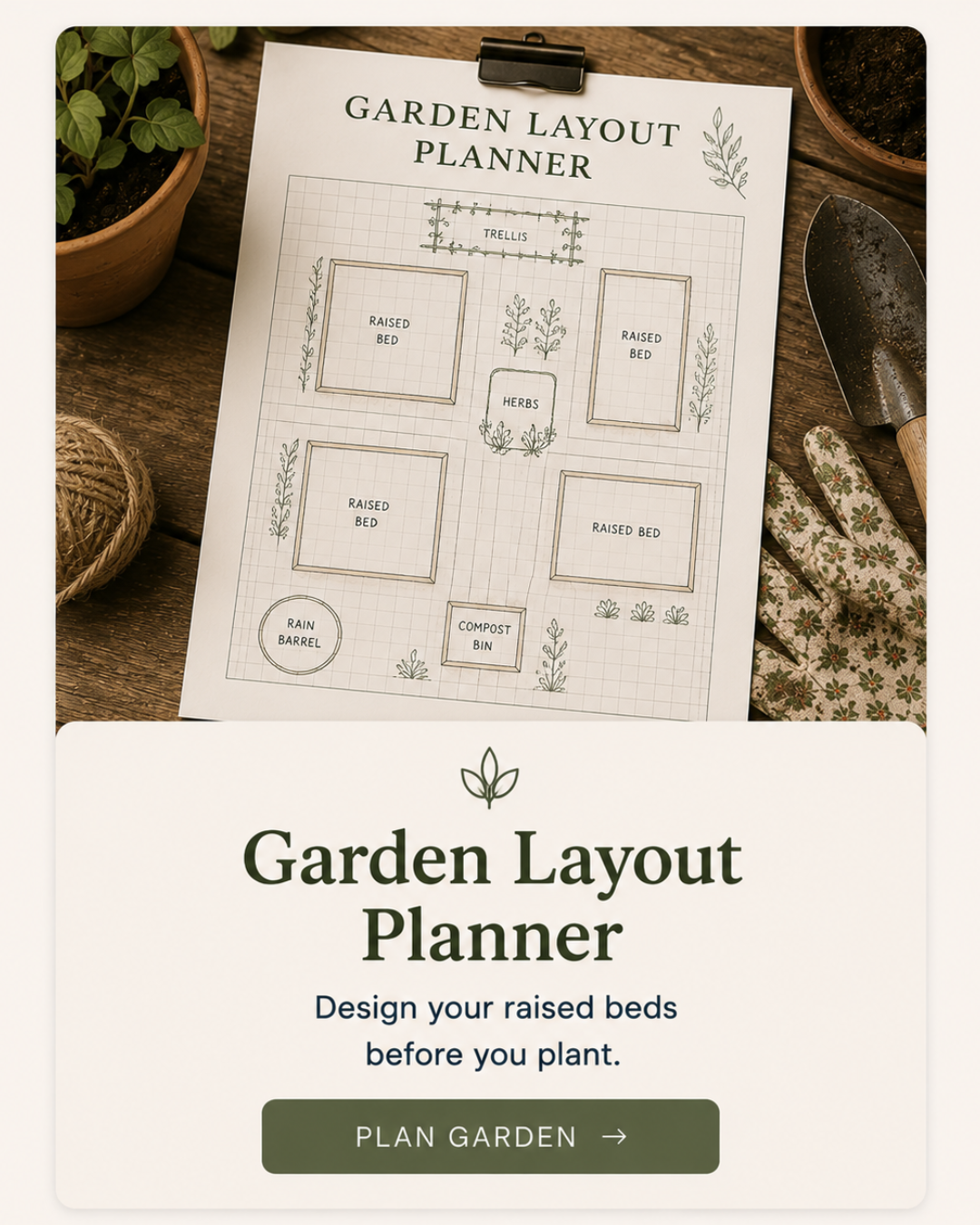
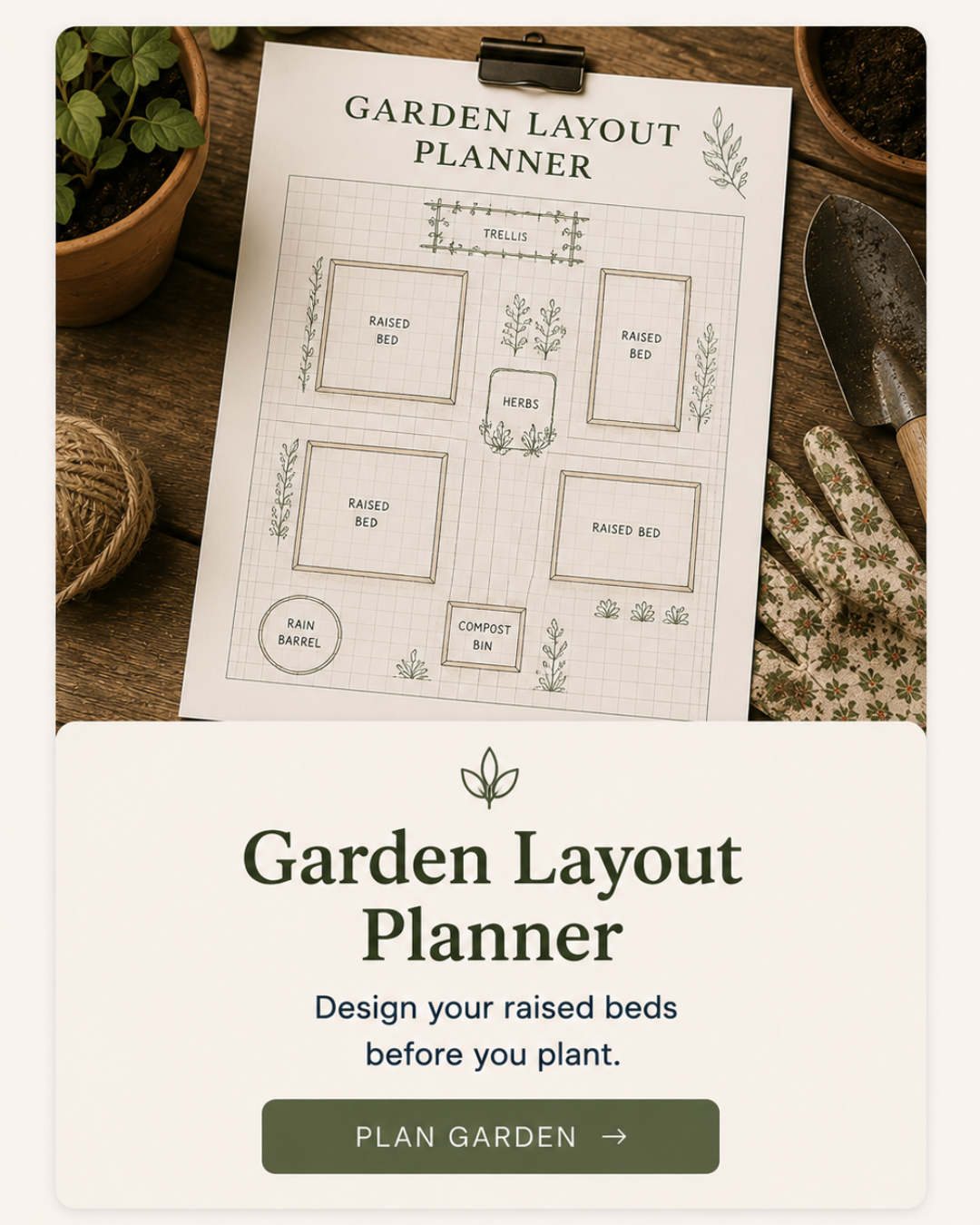
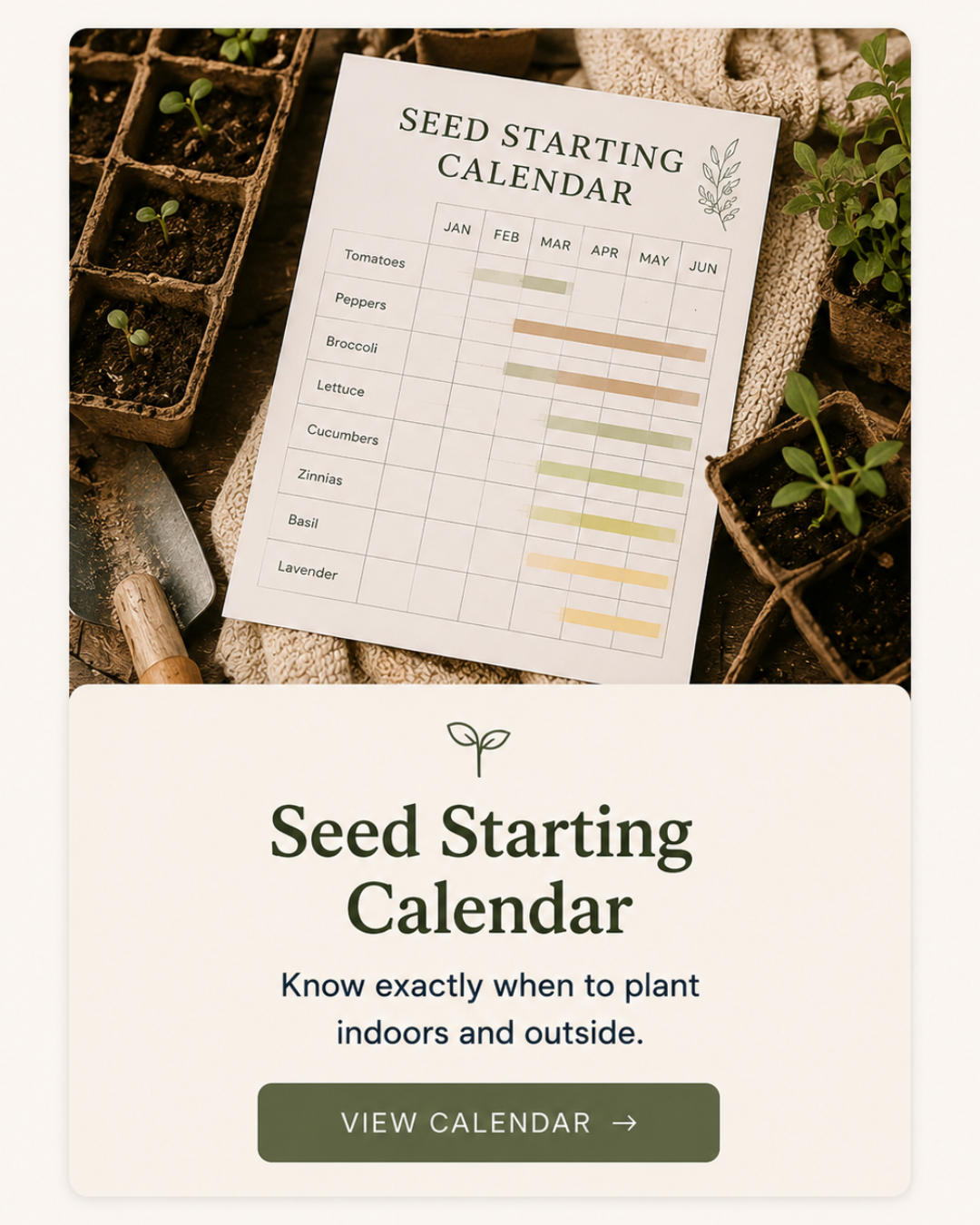
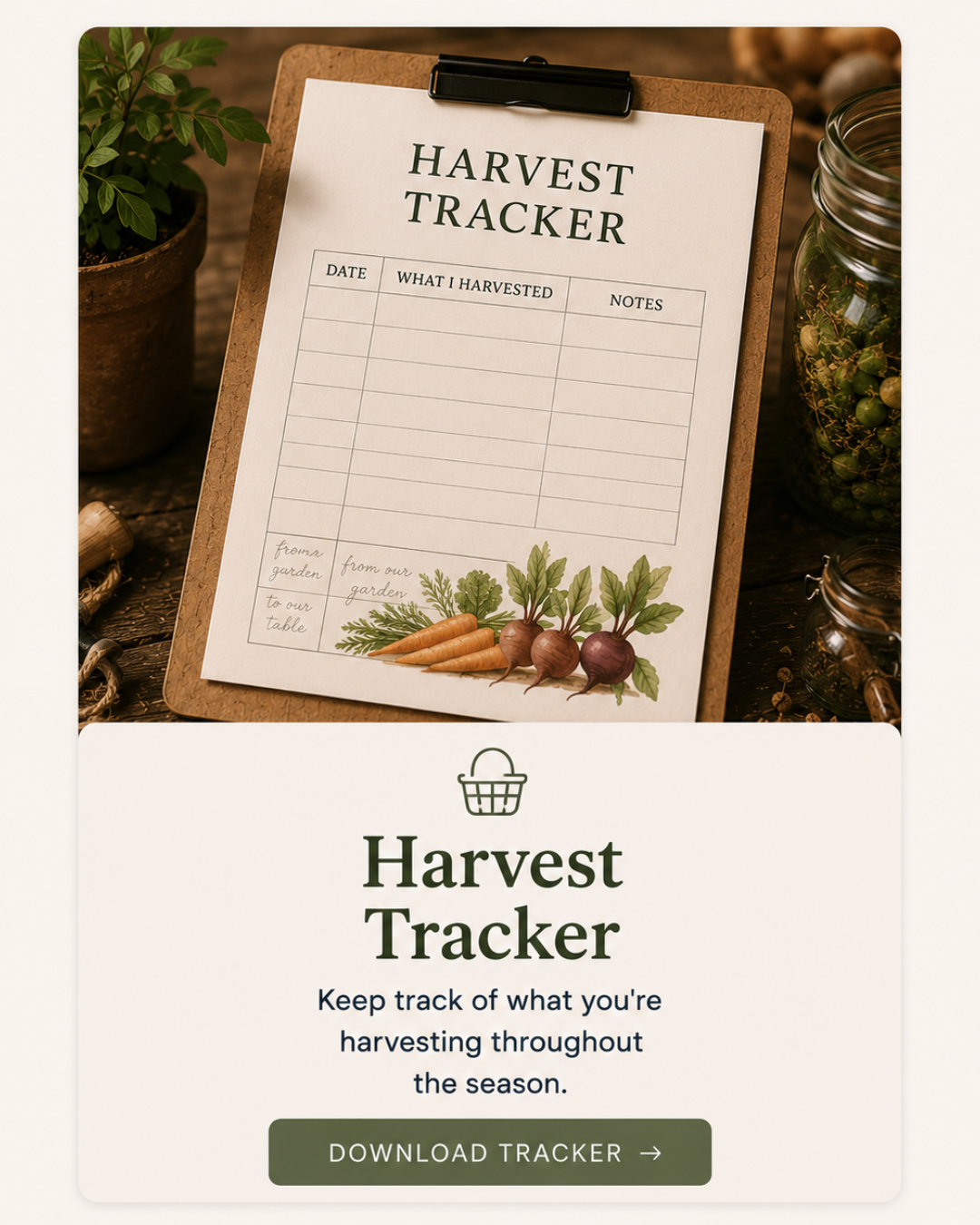
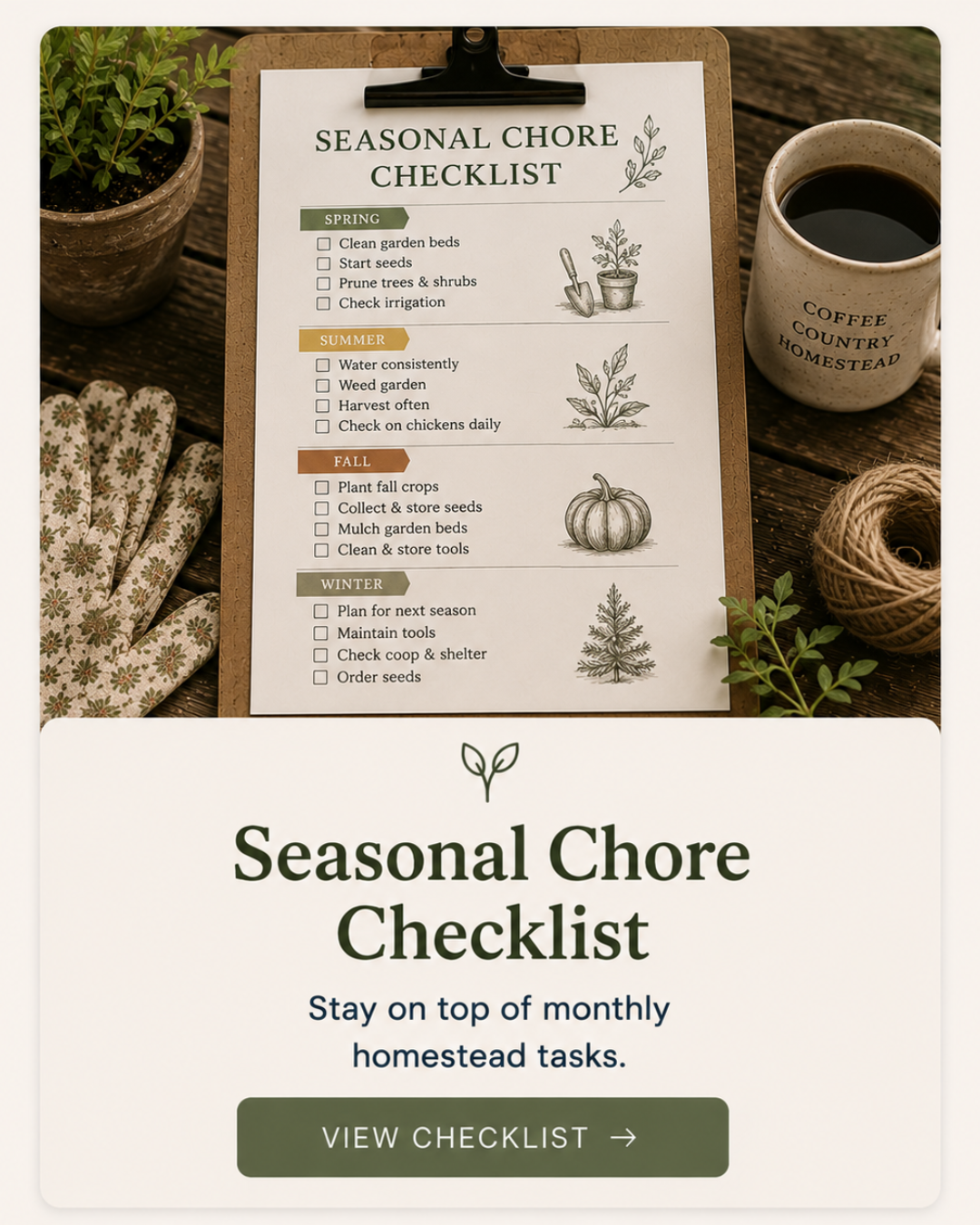
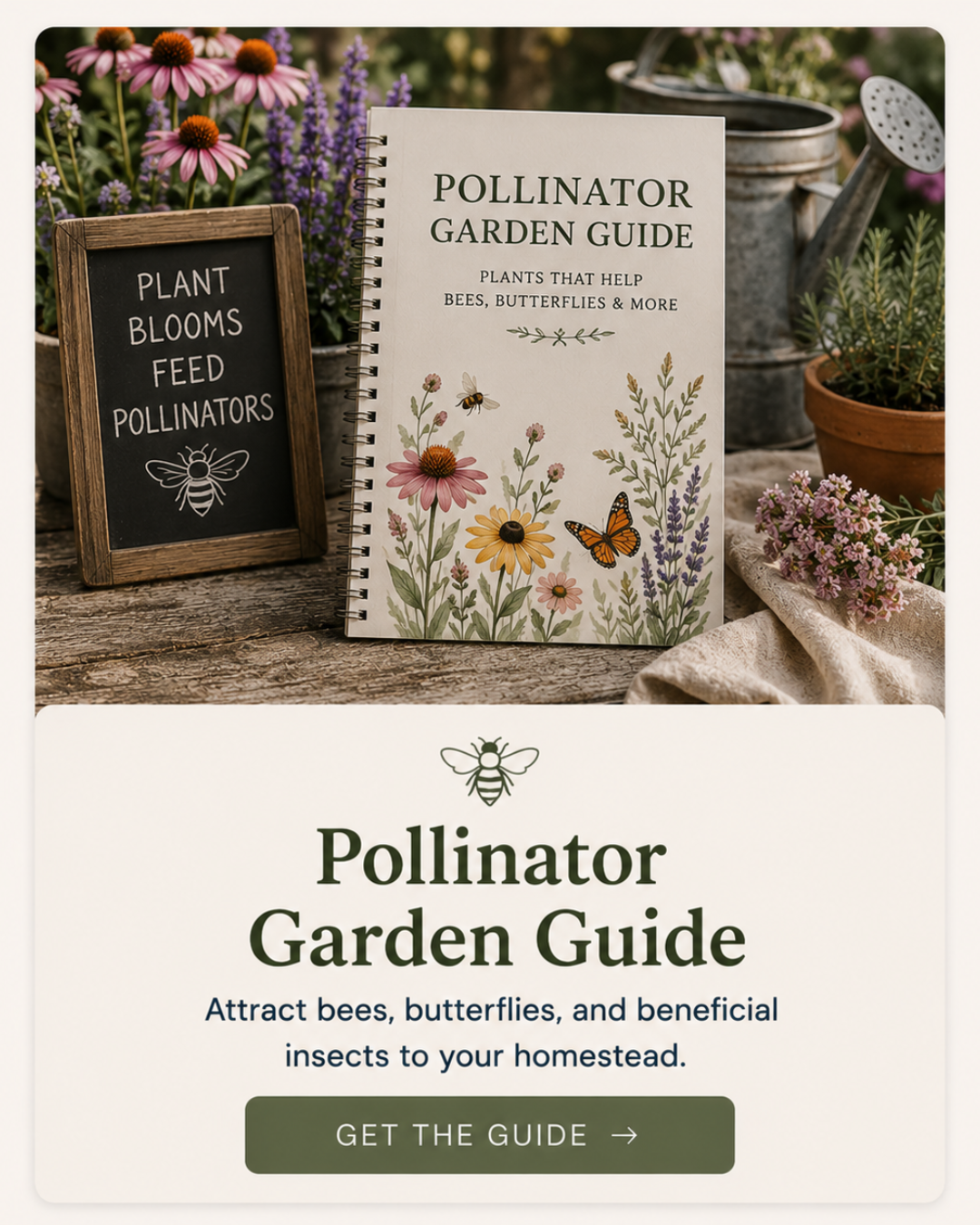
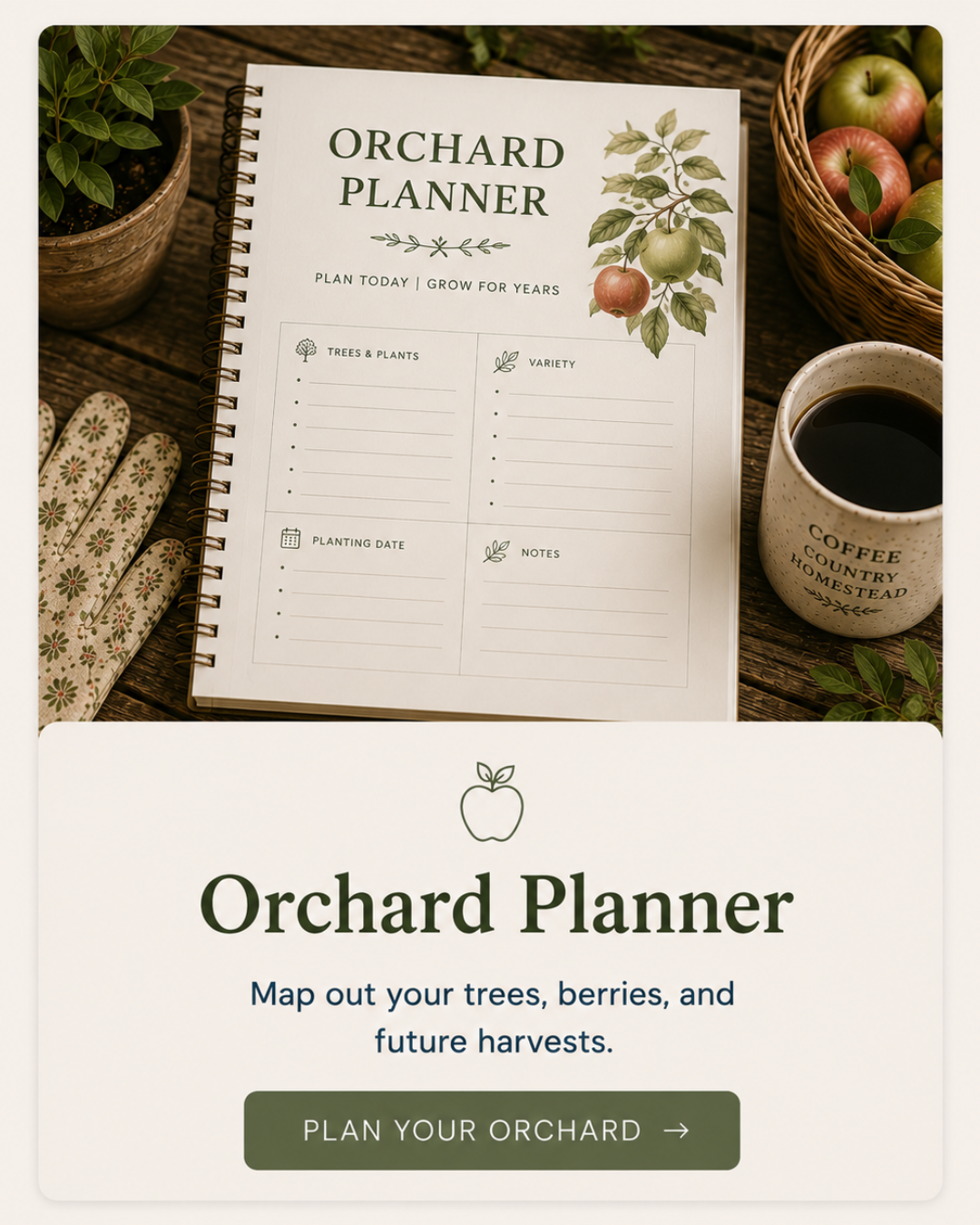
Good planning makes every season a little easier. Explore our growing library of free printables, planners, and checklists designed to help you garden, raise animals, track harvests, and build your homestead with confidence.
Organize Your Homestead


Every product we recommend is something we'd use ourselves as we build Wild Moon Acres. No fluff—just beginner-friendly tools, supplies, and favorites to help you get started.
Our Favorite Beginner Supplies



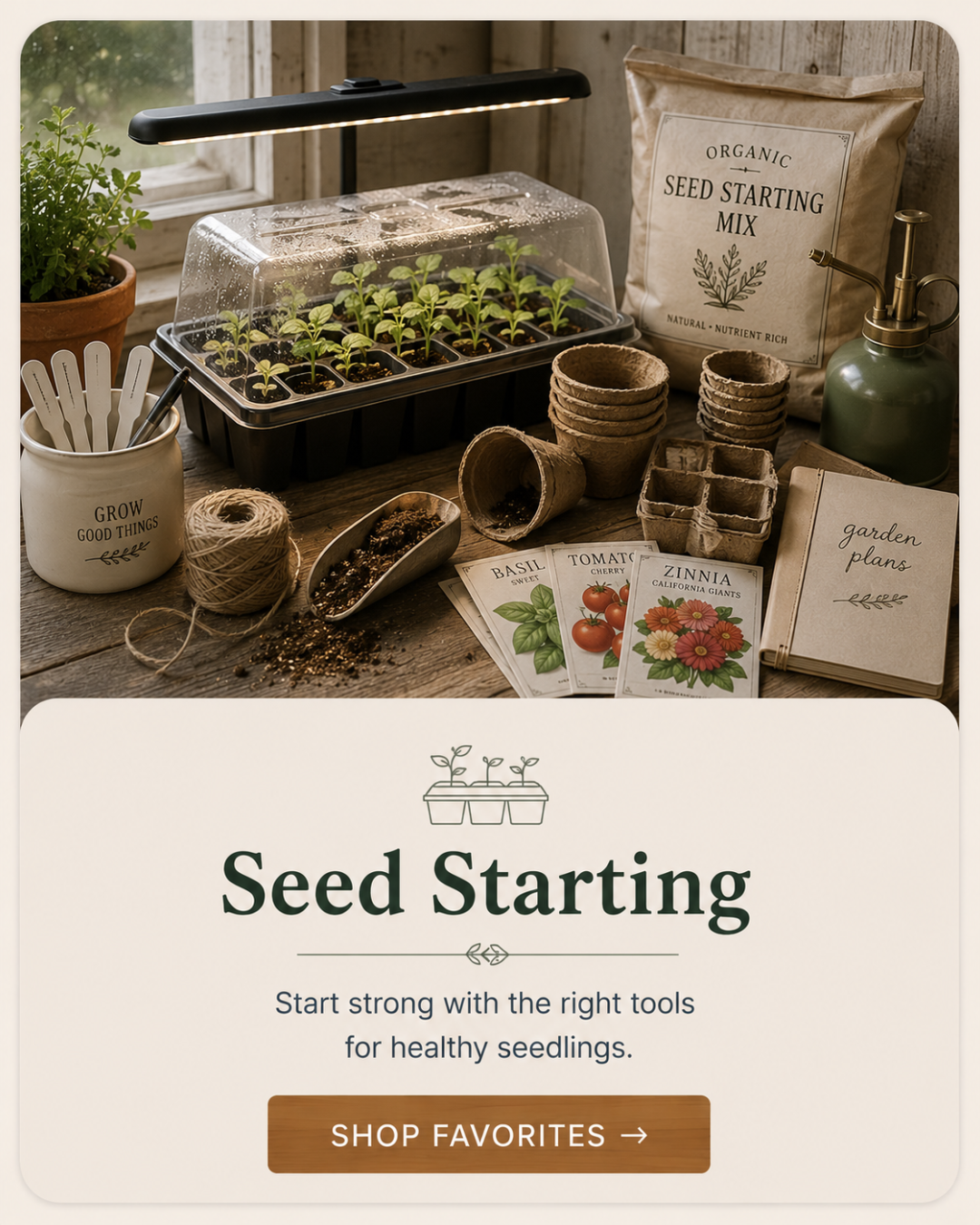

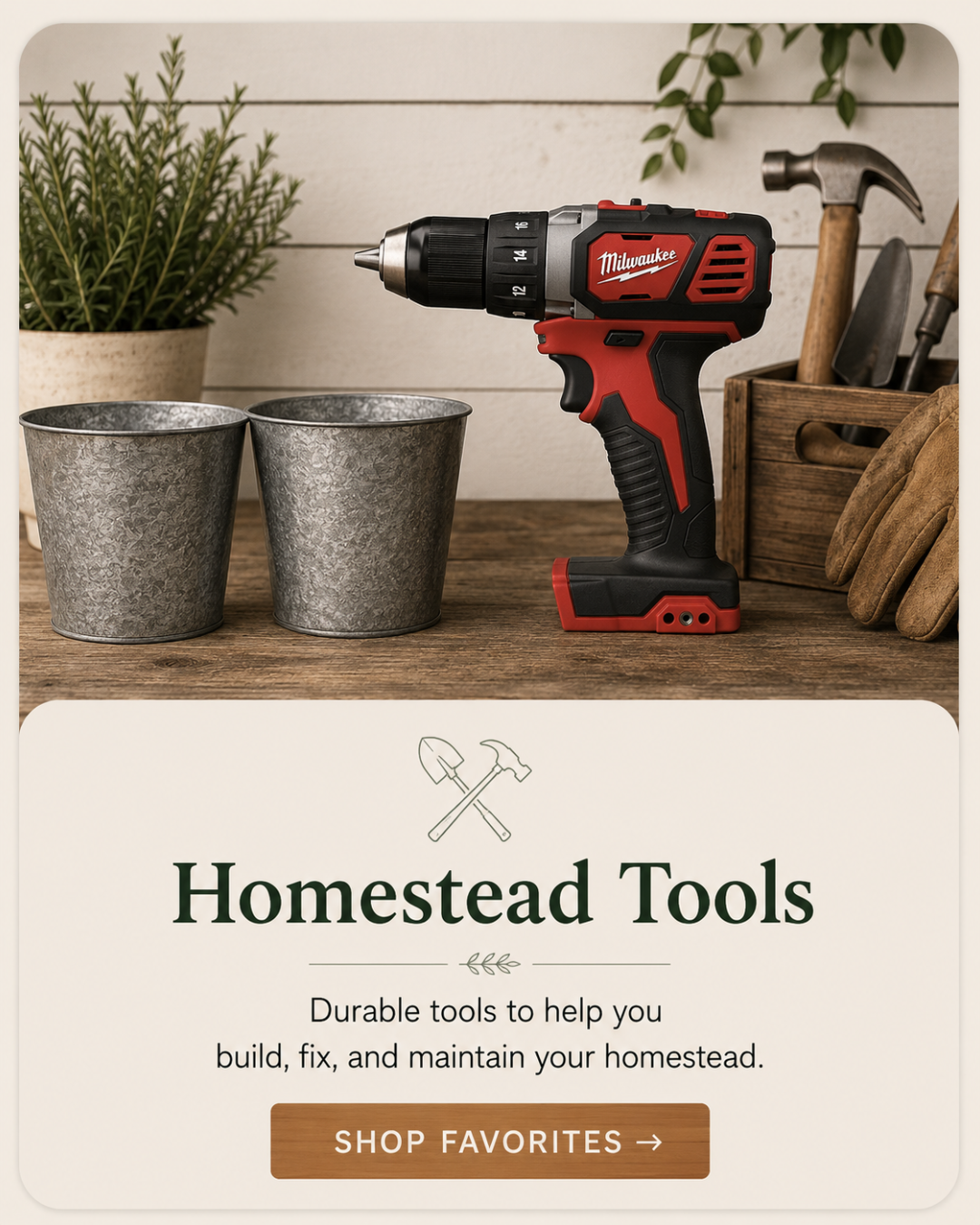
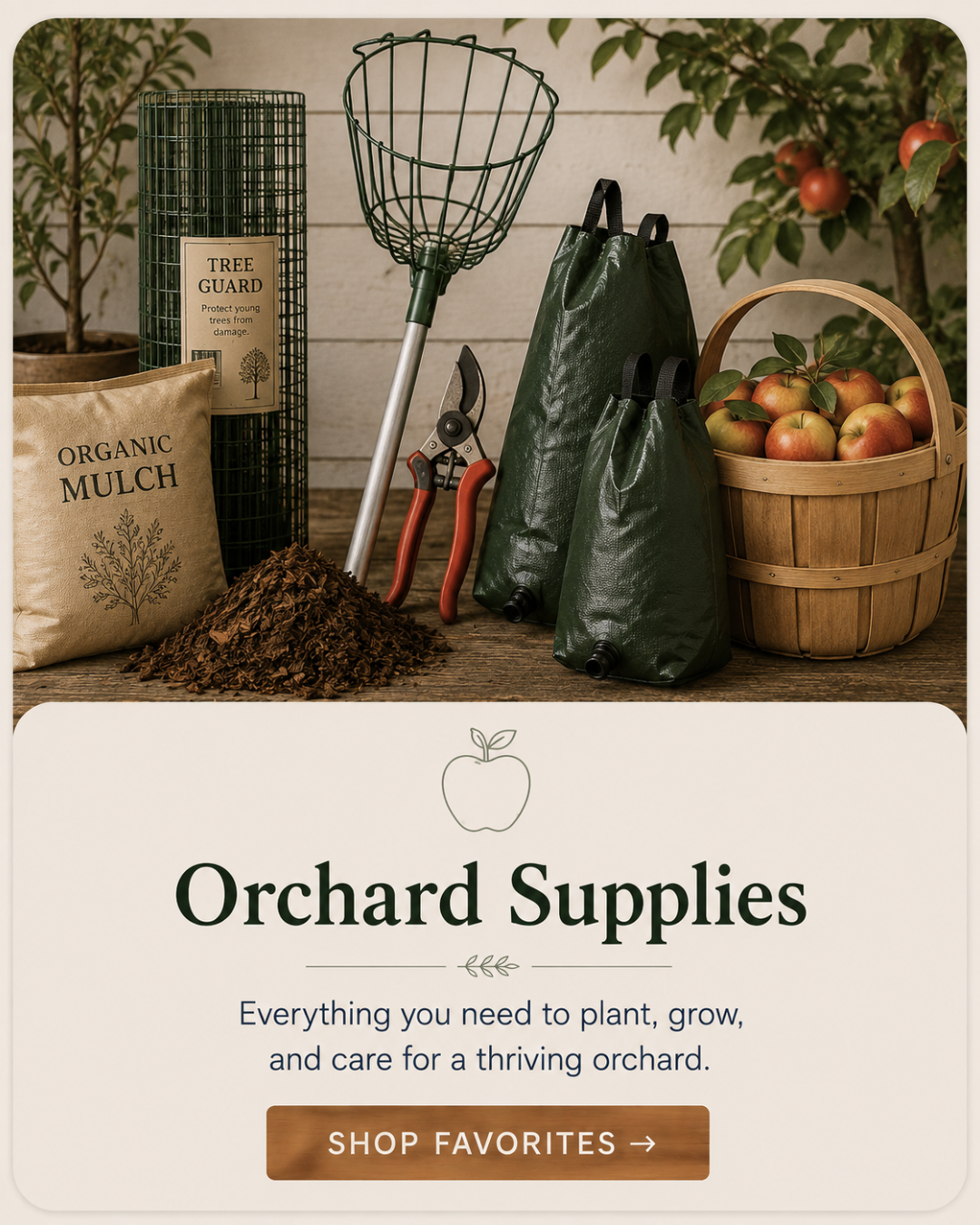
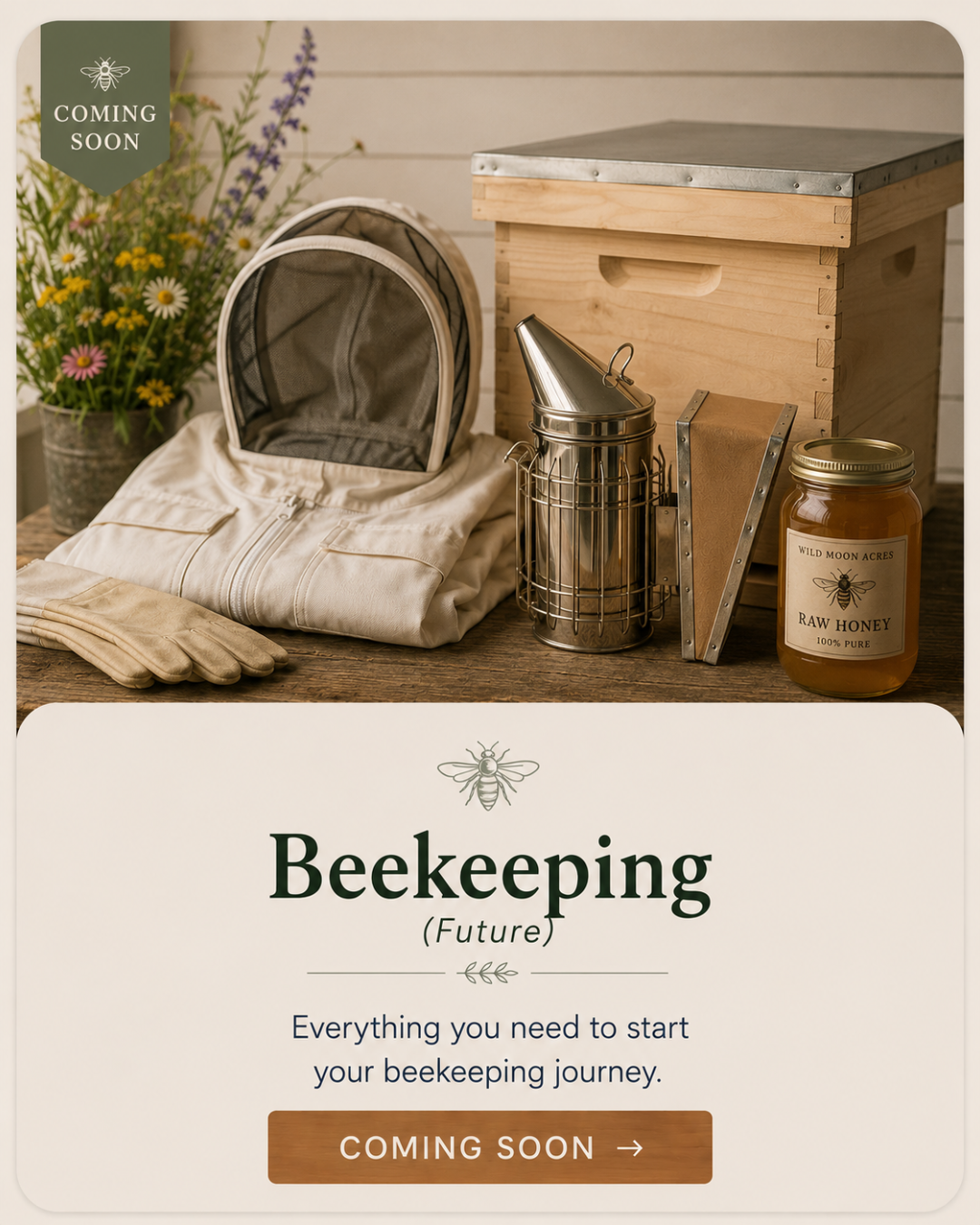
Beginner Homesteading
FAQs
Have questions about getting started? We did too.
Here are answers to some of the most common
questions we had as beginner homesteaders.
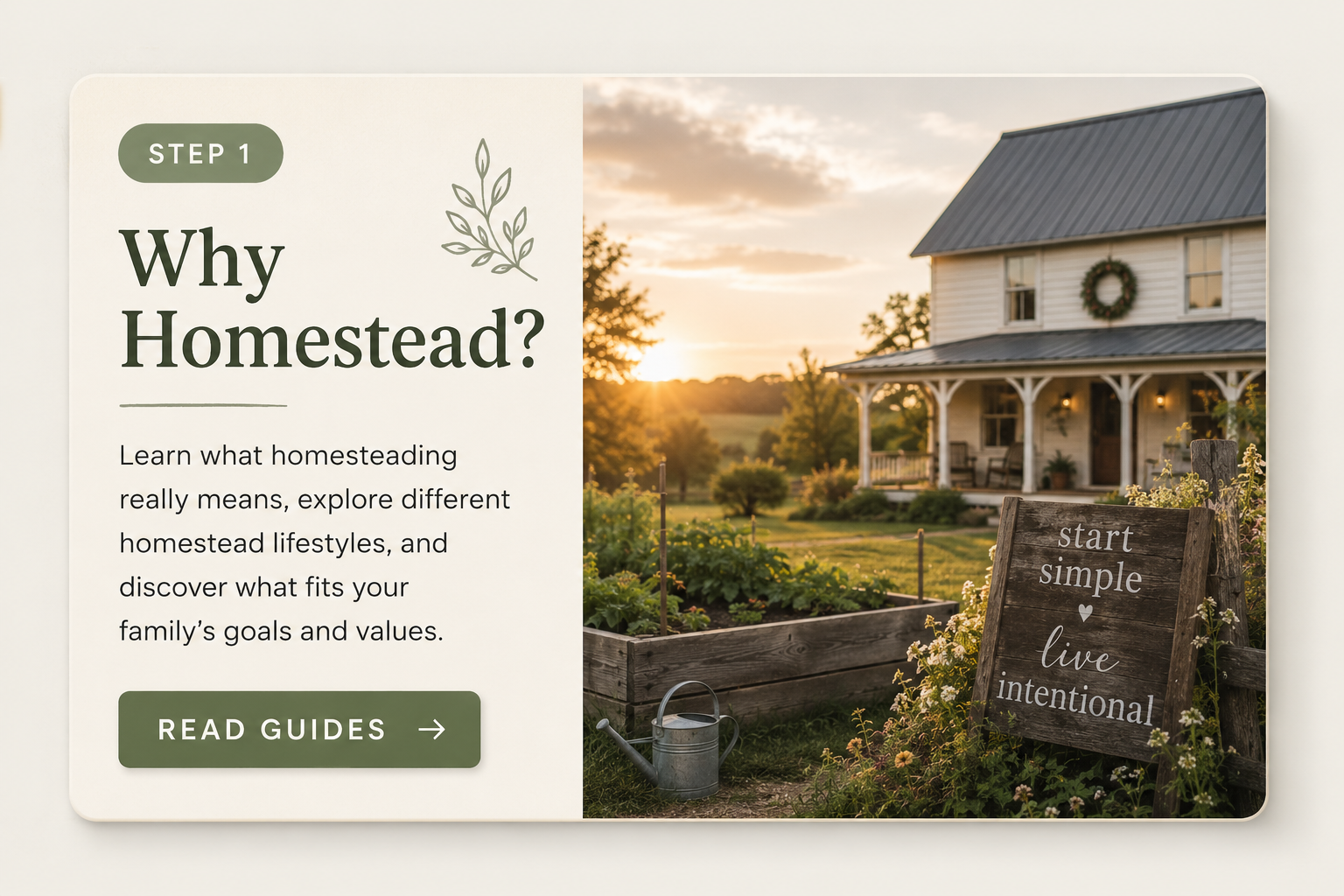
Homesteading is all about becoming more self-sufficient by growing food, raising animals, learning practical skills, and creating a simpler way of life. Every homestead looks different—some are on a small suburban lot, while others span dozens of acres. There's no single "right" way to homestead. It's about building a lifestyle that works for your family and your goals.
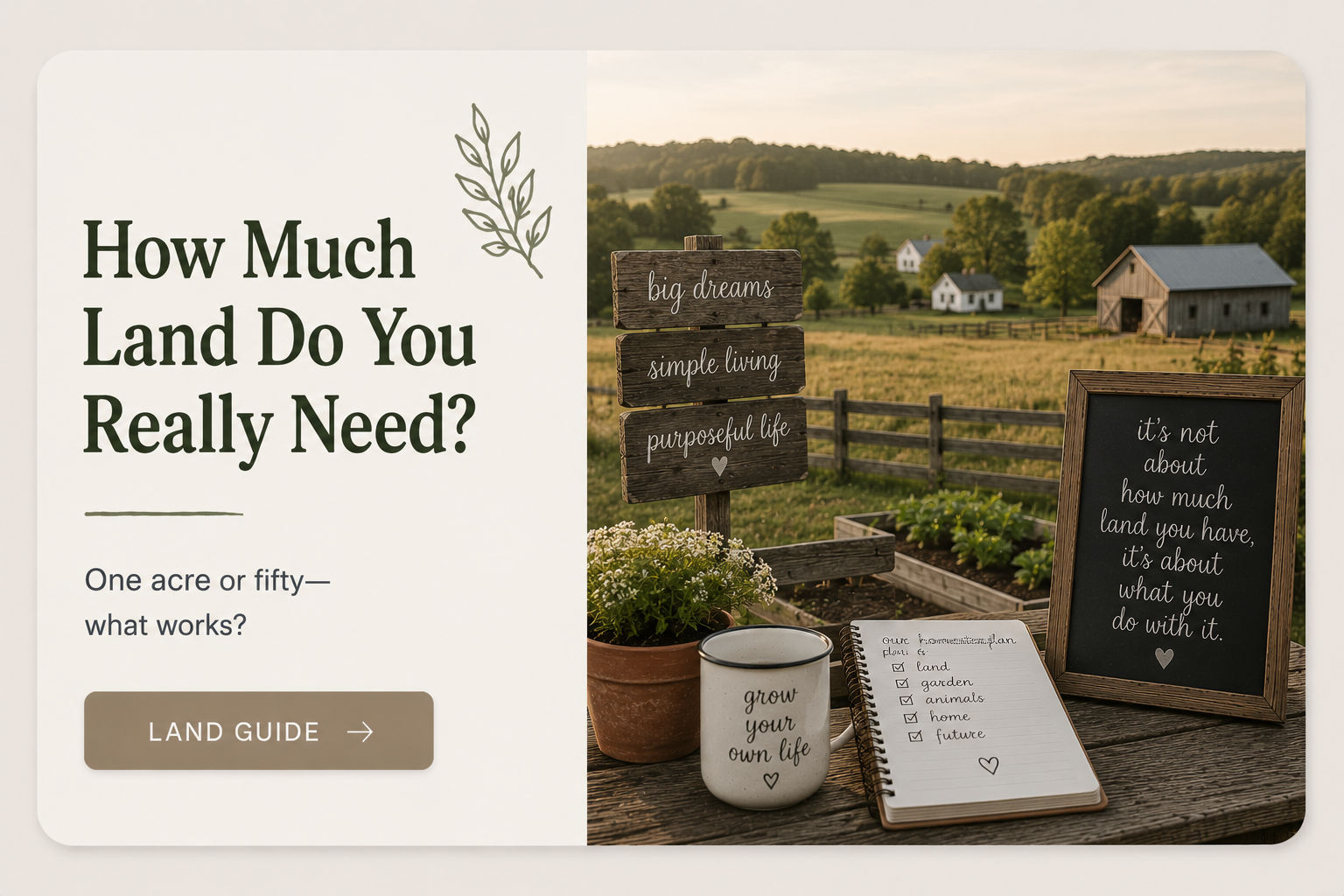
Absolutely! A productive homestead doesn't require a large farm. One acre can provide space for a garden, fruit trees, chickens, composting, pollinator gardens, and even small livestock in some areas. Careful planning and making the most of your space can go a long way.
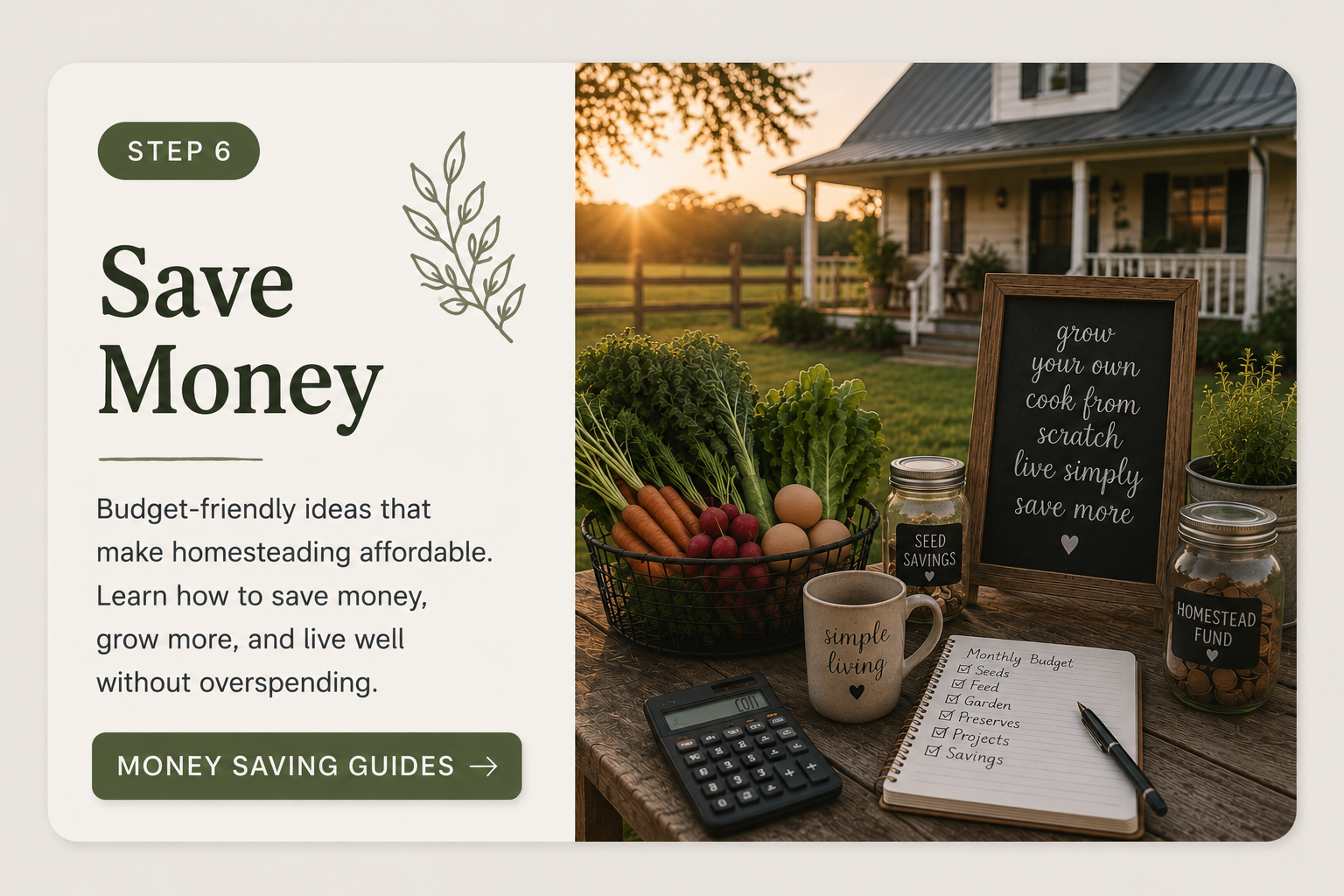
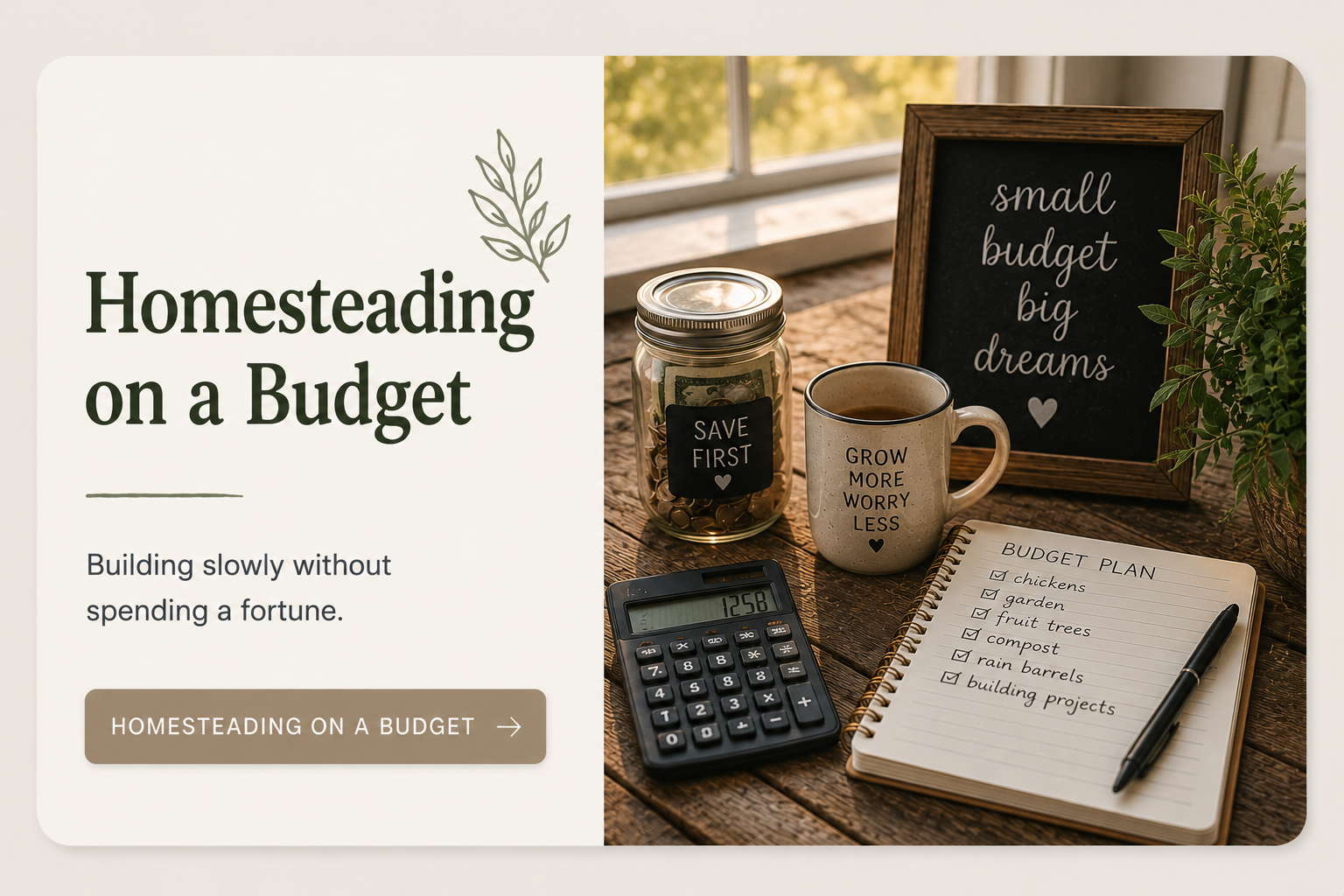
It depends on your goals, but you don't need to spend thousands of dollars to get started. Many beginner homesteaders begin with a small raised garden, a few chickens, and simple DIY projects. We believe in building slowly, budgeting carefully, and adding new projects as time and finances allow.
There isn't a wrong answer, but many beginners find success starting with a small garden because it teaches essential growing skills. Chickens are another excellent first step because they provide fresh eggs, compost material, and valuable experience caring for livestock. If possible, start with whichever excites you most—you'll be more likely to stick with it.
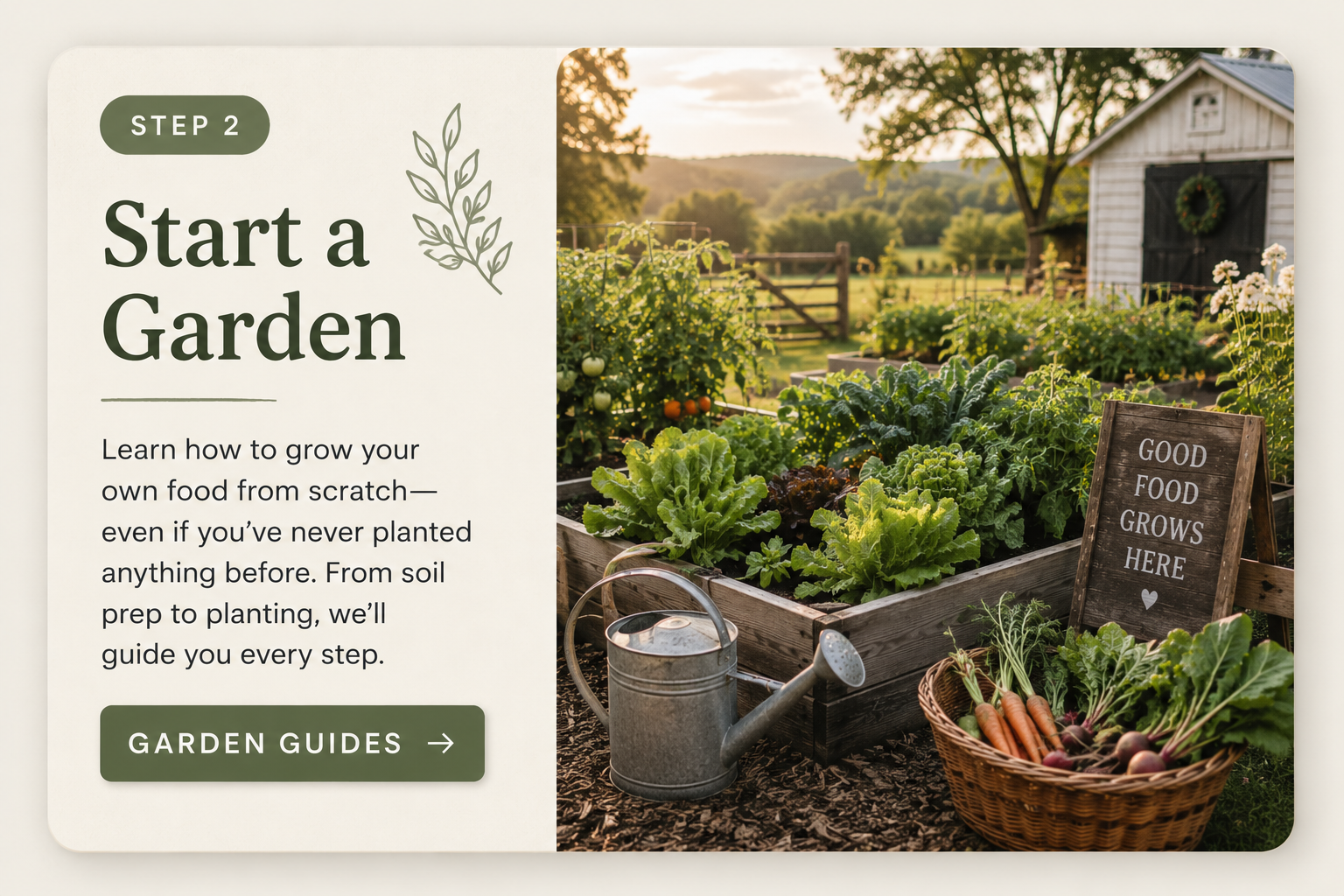
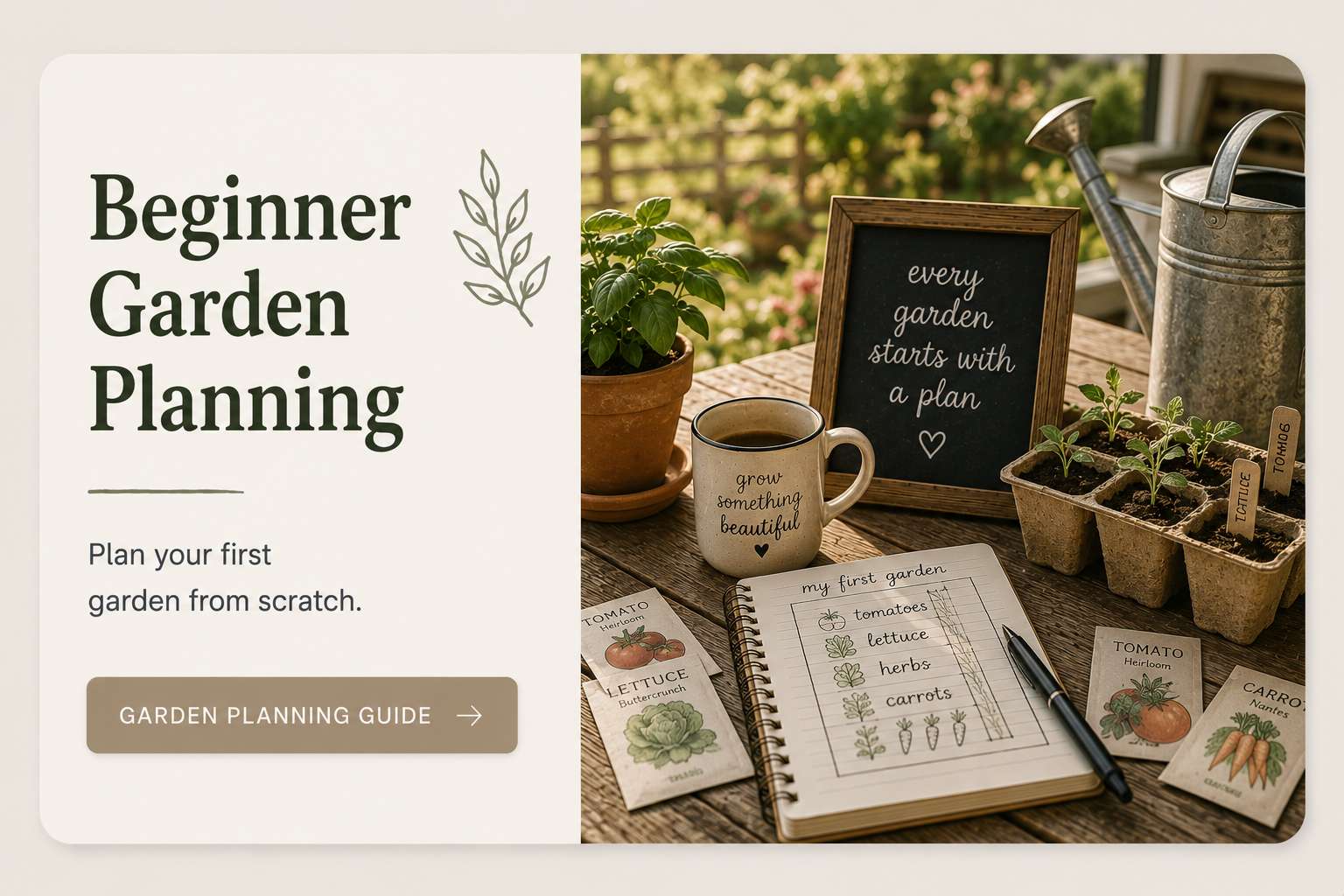
Some of the easiest vegetables to grow include tomatoes, lettuce, green beans, zucchini, cucumbers, peppers, radishes, carrots, spinach, and herbs like basil, parsley, and chives. Starting with a handful of reliable crops helps build confidence before expanding your garden.
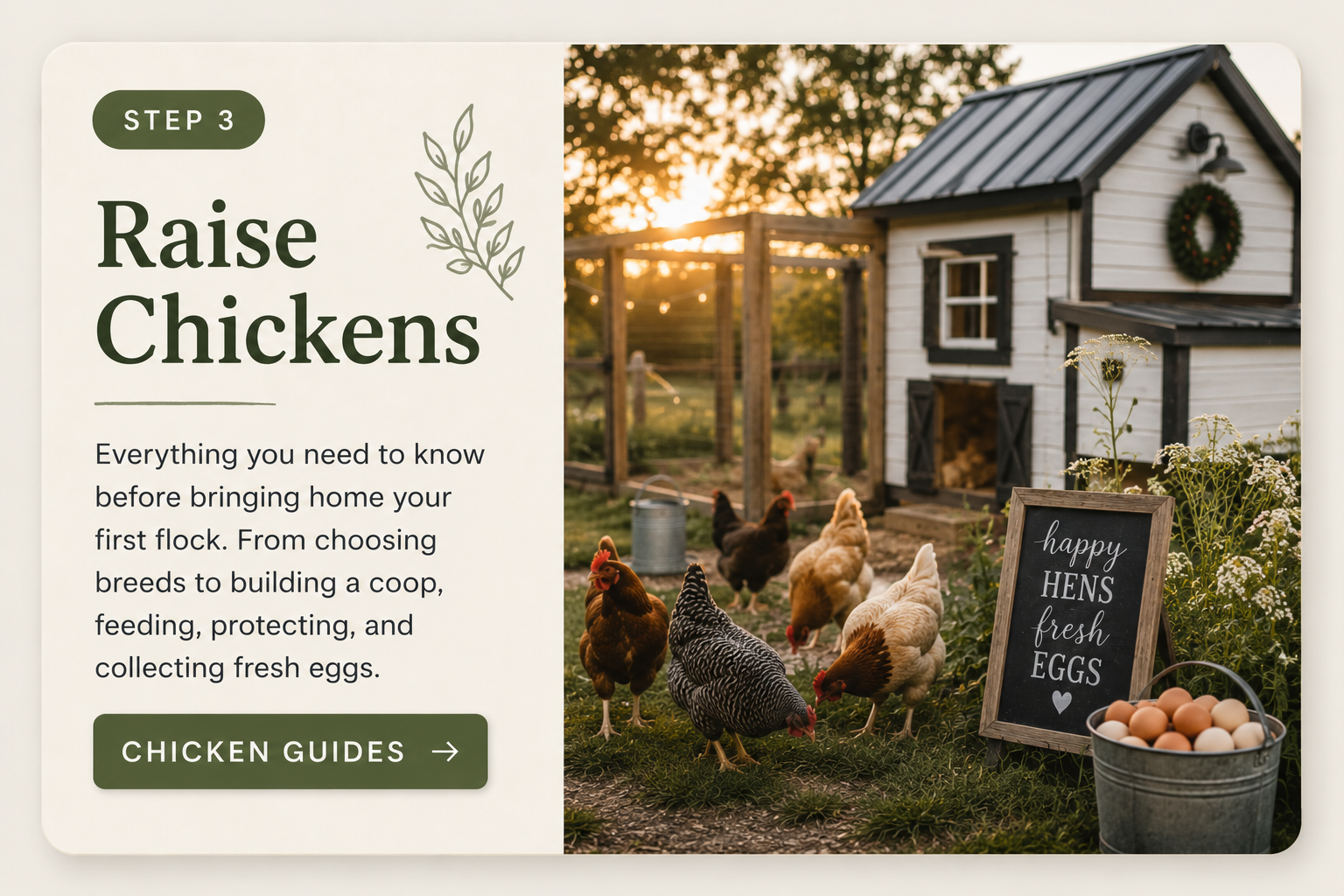
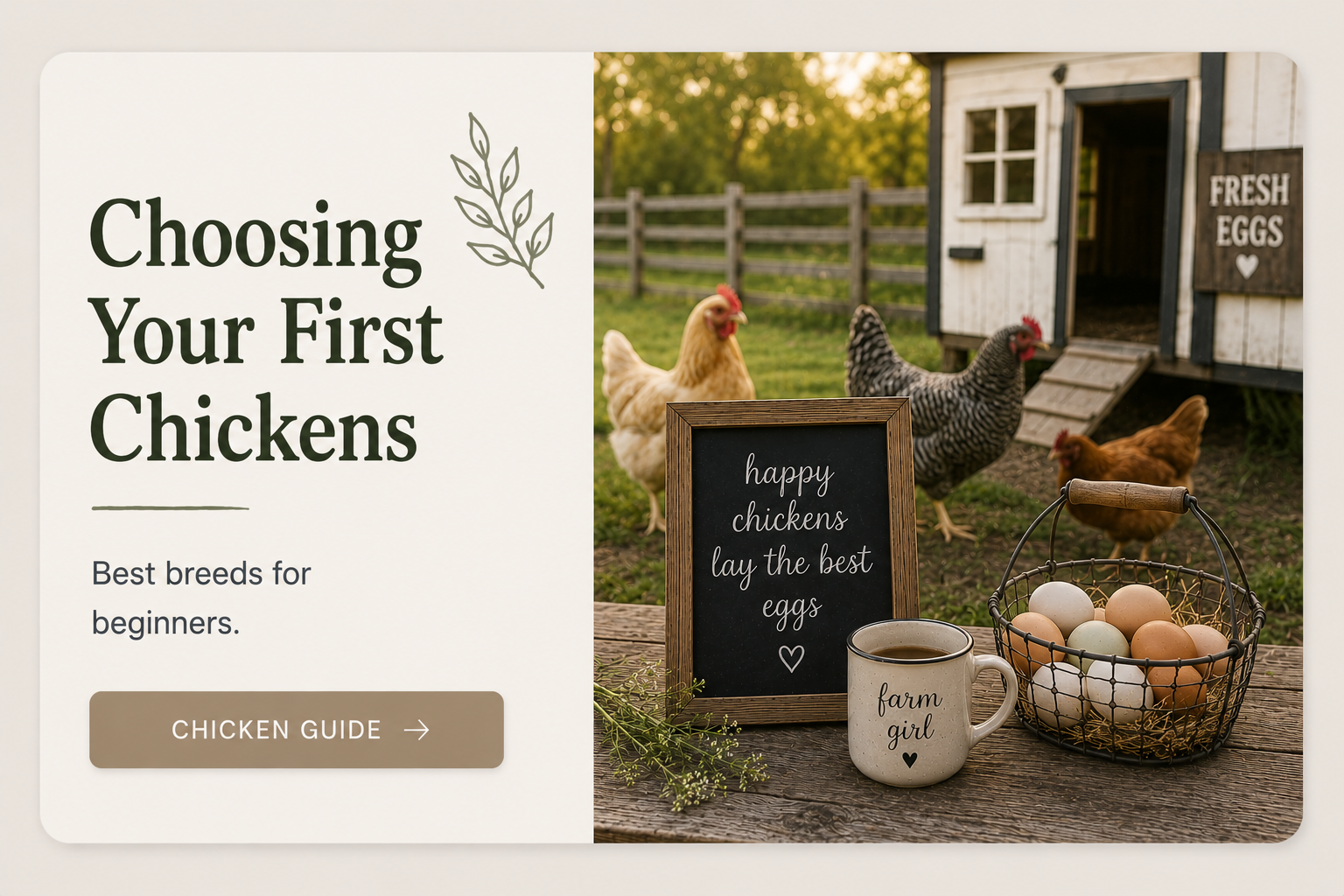
A flock of four to six hens is a great starting point for most families. This size is easy to manage while providing a steady supply of fresh eggs. As you gain experience, you can decide whether you'd like to expand your flock.
Not at all. Many successful homesteads operate without one, especially during the first few years. Hand tools, wheelbarrows, garden carts, and simple equipment are often enough for smaller properties. Larger equipment can always come later if your homestead grows.
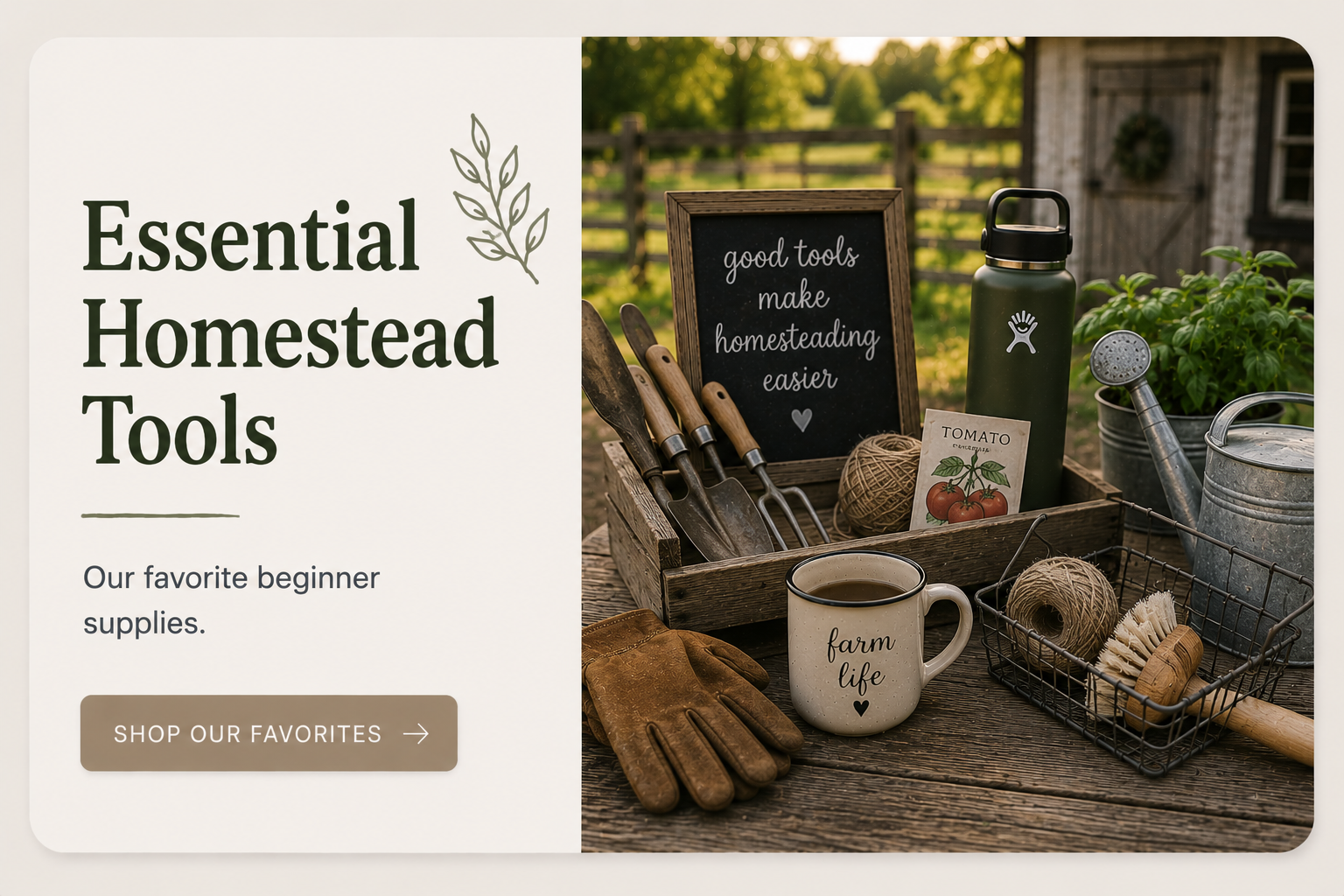
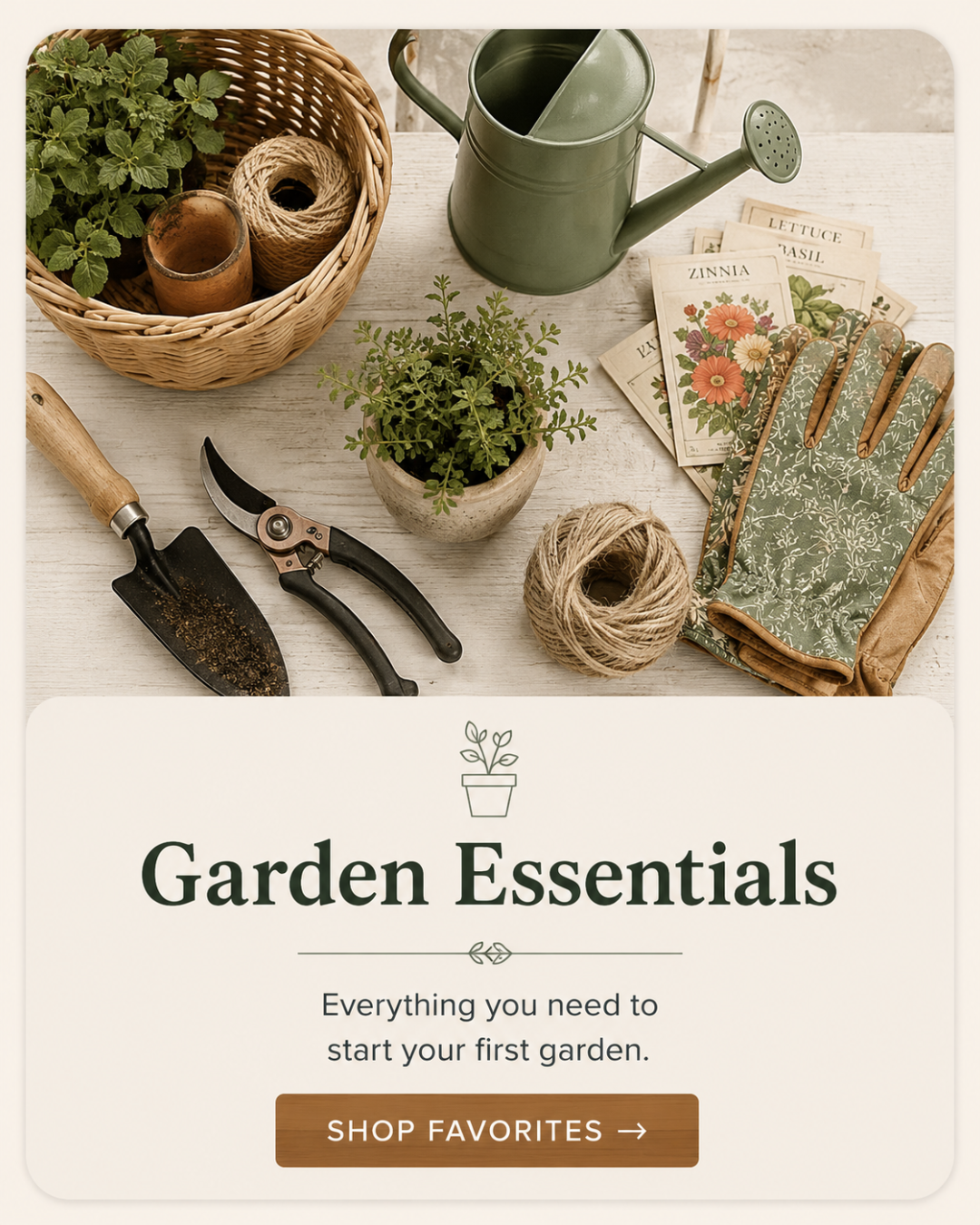
Start with quality basics that you'll use often. Some of our favorite beginner tools include:
-
Garden gloves
-
Hand trowel
-
Pruning shears
-
Garden rake
-
Shovel
-
Watering can or hose
-
Wheelbarrow or garden cart
-
Cordless drill
-
Measuring tape
-
Five-gallon buckets
Buying good-quality tools from the beginning often saves money over time.
Yes! Many families build their homestead while balancing full-time jobs, school schedules, and busy family life. Homesteading doesn't have to happen overnight. Small, consistent progress each season adds up over time. It's perfectly okay to grow at your own pace.
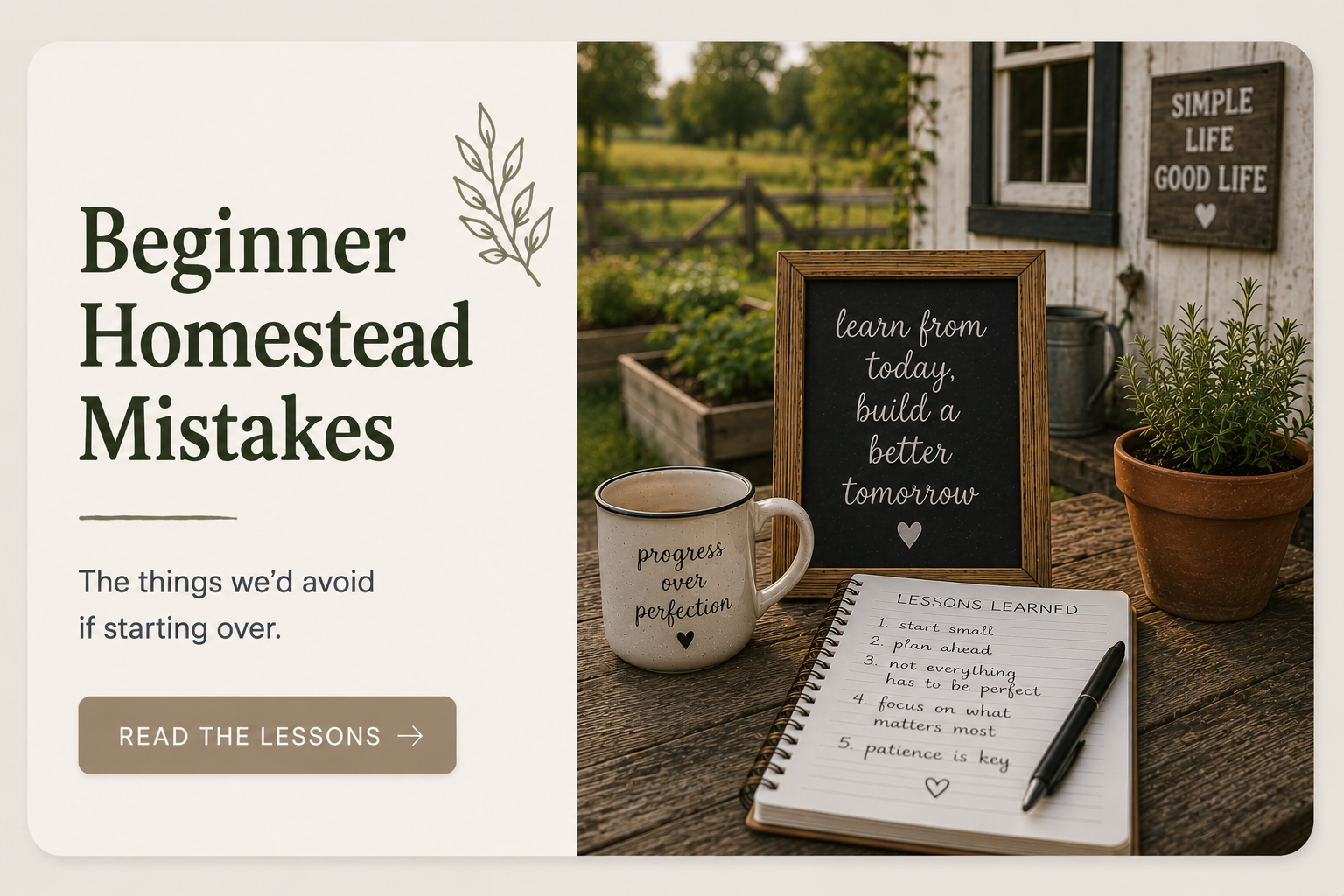
Some of the most common beginner mistakes include:
-
Trying to do too much at once.
-
Buying animals before having proper housing ready.
-
Planting a garden that's larger than you can maintain.
-
Skipping soil preparation.
-
Not researching local growing conditions.
-
Buying cheap tools that wear out quickly.
-
Comparing your journey to someone else's.
The best advice is to start small, keep learning, and enjoy the process.
For many families, absolutely. Homesteading offers the opportunity to grow your own food, spend more time outdoors, learn valuable skills, and create meaningful memories together. While it requires hard work and patience, the rewards often go far beyond fresh vegetables or eggs—it's about building a lifestyle that reflects your values.
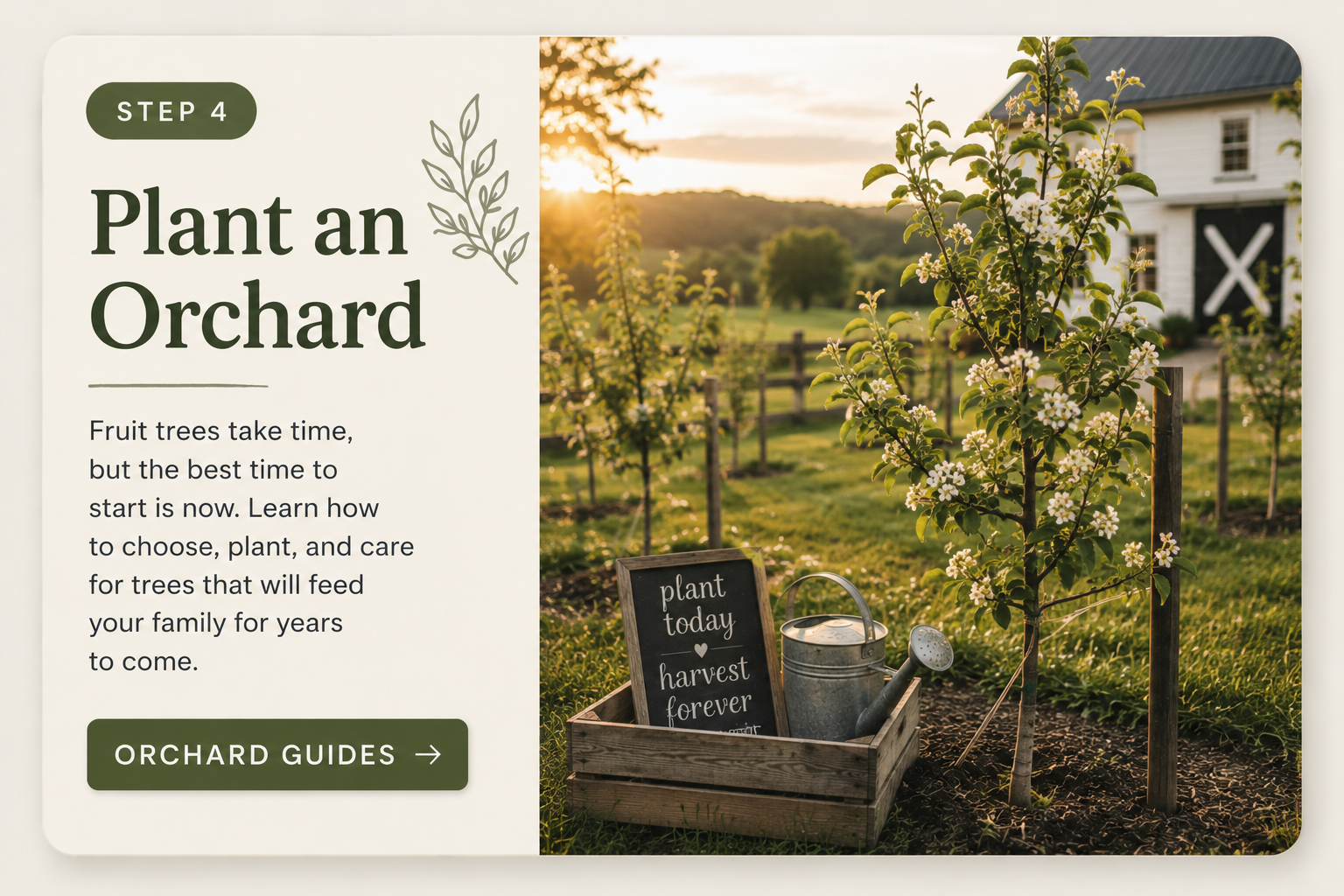
Wild Moon Acres is our family's journey toward building a peaceful, productive homestead in Tennessee. Our long-term vision includes thriving vegetable gardens, an orchard, chickens, rabbits, beautiful outdoor spaces, homemade goods, and sharing everything we learn along the way. We're documenting the real beginner experience so others can learn and grow with us.
Latest Beginner Homestead Articles
Follow along as we share new tutorials, seasonal tips, homestead updates, DIY projects, gardening advice, and honest lessons from our family's journey at Wild Moon Acres.
